
1752119111@qq.com
+86 1365 2921 391
Among the many questions parents ask about Pectus Excavatum, one comes up frequently: “My child is already in middle school—15 years old. Can they still use a vacuum bell for correction? Is surgery the only option?”
This is a very practical concern. On one hand, parents want to avoid surgery for their child; on the other, they worry that at an older age the vacuum bell may no longer be effective. In this article, EMK provides a detailed analysis of vacuum bell therapy for adolescents around 15 years of age with Pectus Excavatum.
A 15‑year‑old middle school student may still achieve improvement with a Pectus Excavatum Vacuum Bell—but only if certain conditions are met, and the expected outcomes differ from those in younger children.
In short: the younger the child, the more flexible the bones and the better the correction results. At 15, adolescents are at a critical stage where the skeleton is maturing, but the “window” for vacuum bell therapy is not yet completely closed. However, realistic expectations and a high level of compliance are essential.
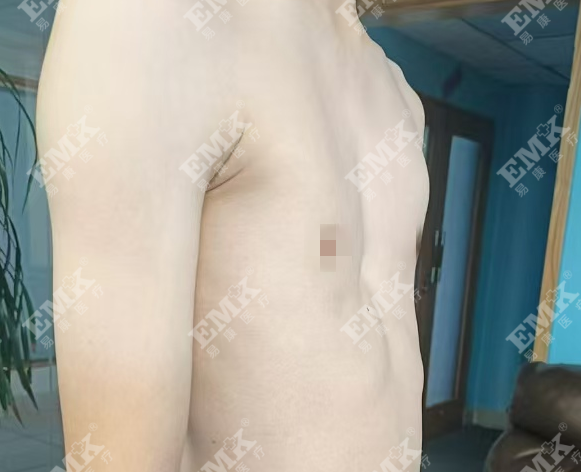
To understand this, we first need to look at the development of the chest wall.
The vacuum bell works by using negative pressure to lift the depressed chest wall outward; with long‑term, consistent use, it guides the costal cartilages to remodel in a more normal direction. The key factor is the elasticity and plasticity of the costal cartilages.
| Age Stage | Characteristics |
|---|---|
| Childhood (3–10 years) | High water content in the costal cartilages, good elasticity, strong plasticity — the “golden period” for vacuum bell therapy. |
| Adolescence (11–16 years) | As growth progresses, costal cartilages gradually ossify and lose some elasticity, but they have not completely lost plasticity. At age 15, the chest wall is still developing, and the costal cartilages retain some elasticity, so improvement may still be possible with sustained negative pressure. |
| Adulthood (18+ years) | Most costal cartilages have ossified and the chest wall shape is largely fixed; vacuum bell effectiveness declines significantly and is generally not the first‑line option. |
Most 15‑year‑olds are still in the adolescent growth phase. Boys typically continue skeletal growth until age 18–20, and girls until age 16–18. This means a 15‑year‑old still has 2–5 years of chest wall growth potential. Applying sustained external guidance during this growth period can still influence the final chest shape.
Why do some 15‑year‑olds achieve good results while others see little improvement? The following factors matter most.
| Severity | Haller Index / Depth | Likelihood of Improvement |
|---|---|---|
| Mild | Haller Index < 3.2, depth < 15 mm | Good potential for improvement; most achieve satisfactory results |
| Moderate | Haller Index 3.2–3.5, depth 15–20 mm | Some improvement possible, but requires longer wear time |
| Severe | Haller Index > 3.5, depth > 20 mm | Limited room for improvement; surgery evaluation is usually recommended |
This varies from person to person. Among children of the same age, skeletal development speed differs. Those who mature later tend to have more flexible chest walls and better outcomes; those who mature earlier may have stiffer bones and more limited results. Physicians assess chest wall flexibility through palpation and CT imaging.
For a 15‑year‑old middle school student, this is the most critical factor. Vacuum bell therapy requires daily commitment (typically two sessions of 30–60 minutes each, or overnight wear), and must be continued for months to 1–2 years. Middle school students have busy schedules—whether they can stick to the routine, wear the device correctly, and tolerate skin marks after use directly affects the final outcome.
First‑time users: Outcomes depend on the factors above.
Those who used a vacuum bell before but stopped: If there was improvement during childhood, continued use at 15 can serve as maintenance therapy.
Do not purchase a vacuum bell without a proper assessment. First, visit a pediatric thoracic surgery department for:
Chest CT scan: To determine the Haller index and depth of depression
Chest wall flexibility assessment: Palpation to evaluate costal cartilage stiffness
Cardiopulmonary evaluation: Electrocardiogram or pulmonary function testing if needed
Both parents and the adolescent should have a clear understanding:
Goal: Aim for improvement, not complete normalization
Expected degree of improvement: A 30–50% reduction in depression depth is typical; some may achieve more
Duration: Consistent wear for 6–12 months or longer
Wear schedule: Typically two sessions per day, 30–60 minutes each, or overnight as advised by the physician
Pressure adjustment: Start with lower negative pressure and gradually increase; do not chase “as deep as possible”
Regular follow‑up: Re‑evaluate every 3–6 months to assess progress and adjust the plan
Clean and dry the skin before use
Avoid excessively long sessions to prevent prolonged skin pressure
If skin redness or blistering occurs, pause use and consult a physician
In the following situations, vacuum bell therapy may have limited effectiveness or carry risks, and surgical evaluation should be prioritized:
Severe pectus excavatum (Haller Index > 3.5, depression depth > 20 mm)
Asymmetric pectus excavatum with a wide depressed area
Already evident cardiopulmonary compression symptoms (e.g., palpitations with activity, recurrent respiratory infections)
Skeletal maturity (growth plates closed, no remaining growth potential)
Inability to ensure consistent use (e.g., due to academic pressure, boarding school logistics)
If after 6–12 months of consistent use improvement is limited, or if the family desires a more complete correction, minimally invasive Nuss surgery may be considered. The Nuss procedure is a well‑established technique for pectus excavatum correction. While the ideal age for surgery is typically 8–12 years, 15 years is still within the surgical window.
Even if surgery is ultimately needed, early vacuum bell use is not without value—it can slow the progression of the depression and may even make surgery less complex.
| Question | Answer |
|---|---|
| Can a 15‑year‑old use a vacuum bell? | Possibly, but only after a professional evaluation |
| What results can be expected? | Varies individually; depends largely on chest wall flexibility |
| How long does it take? | Typically 6–12 months or longer |
| What if results are not good? | Nuss surgery remains an option; 15 is still within the appropriate age range |
| What matters most? | Professional evaluation + consistent wear + realistic expectations |
A Note from EMK:
Age 15 is a critical stage of adolescence. Pectus excavatum affects not only appearance but can also cause psychological stress. Whether choosing vacuum bell therapy or surgery, early evaluation and timely intervention are the most important principles.
If you are unsure whether your child is a candidate for vacuum bell therapy, we recommend scheduling a comprehensive evaluation with a pediatric thoracic surgeon. A qualified specialist can provide personalized advice based on your child’s specific condition.
Disclaimer: This article is for educational purposes only and does not constitute medical advice. If you have concerns about your child’s chest development, please consult a qualified healthcare professional.
Contact: KAM
Phone: +86 1365 2921 391
Tel: +86 1365 2921 391
Email: 1752119111@qq.com
Add: Orthosis Customization Center, 6th Floor, Rehabilitation Building, Guangdong Maternal and Child Health Hospital
We chat