
1752119111@qq.com
+86 1365 2921 391
As children grow, many parents pay close attention to the development of their child’s chest shape. When a child is diagnosed with Pectus Carinatum (a forward protrusion of the sternum, often called “pigeon chest”), a common question arises: “My child is already 11 years old — is it still worth using a brace?”
This article provides an objective, detailed overview from the perspectives of pediatric skeletal development, the principles of bracing, and proper use, to help parents make informed decisions.
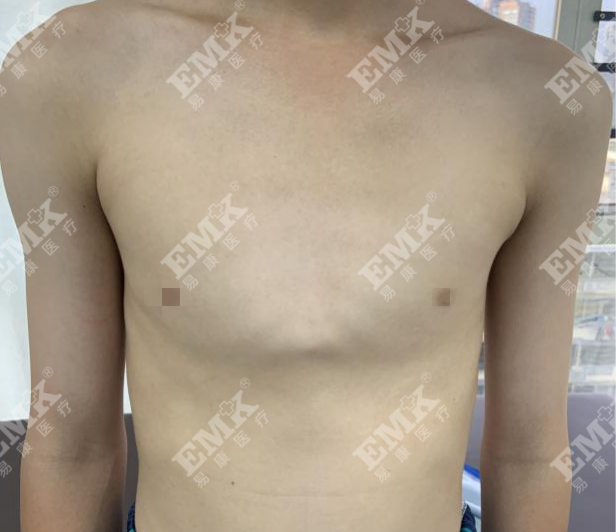
To answer whether correction is still possible at age 11, we first need to understand how the chest wall develops.
Children’s skeletons have two key characteristics: plasticity and growth potential.
The sternum, ribs, and spine continue to grow until the end of adolescence. In girls, growth plates typically close around age 14–16; in boys, they close slightly later, around age 16–18. At age 11, regardless of gender, the growth plates are still open, and the skeleton retains good remodeling capacity.
Pectus carinatum results from the forward protrusion of the sternum, often accompanied by overgrowth or abnormal shape of the costal cartilages. Before the skeleton fully ossifies, sustained, gentle external pressure can influence the direction of costal cartilage growth, gradually guiding the chest toward a more normal contour. This principle is similar to orthodontic treatment — intervention is most effective when the bones still have remodeling potential.
From a developmental perspective, age 11 remains within the window where bracing can be attempted.
| Age Group | Skeletal Characteristics |
|---|---|
| 1–10 years | Highly flexible bones; good compliance |
| 11–18 years | Rapid growth spurt; bones growing quickly |
| 18+ years | Bones gradually stiffen; ossification increases |
Age 11 sits at the transition from childhood to adolescence. This is a period of rapid height increase and chest wall expansion. When combined with appropriate intervention, this growth phase can actually support the remodeling process.
Age is only one factor. The real determinants of success are a combination of the following:
Pectus carinatum can be symmetric, asymmetric, or mixed. Mild to moderate cases with a symmetric presentation generally respond better to bracing. If the deformity is severe or involves other chest wall abnormalities, a specialist evaluation is essential before starting treatment.
The mechanism of bracing relies on sustained, gentle external guidance, not short‑term heavy pressure. Consistent daily wear, with gradual increases in duration as tolerated, is critical for achieving results. A personalized wearing schedule should be developed under professional guidance.
Passive bracing is most effective when combined with active exercises. Chest expansion exercises, swimming, standing against a wall, and diaphragmatic breathing can strengthen the chest and back muscles, improve overall posture, and support the bracing process.
Children are constantly growing, and their chest shape changes over time. Regular reassessments—measuring chest dimensions, evaluating progress, and adjusting the brace as needed—are essential for both safety and effectiveness.
Q: Will wearing a brace at age 11 affect my child’s height growth?
A: A properly fitted Pectus Carinatum Brace applies pressure only to the chest wall and does not affect the growth plates of the long bones. In fact, intervening during a period of rapid growth can take advantage of skeletal plasticity, aligning treatment with natural development.
Q: Is it practical for a school‑age child to wear a brace?
A: Most modern braces are designed to be lightweight and worn discreetly under clothing, with minimal impact on daily activities. The brace can be removed for physical education class and put back on afterward. The key is helping the child develop a consistent wearing routine.
Q: If my child is already 15, is it worth trying a brace?
A: After age 15, skeletal plasticity decreases, but for mild to moderate pectus carinatum, bracing may still be attempted—though expectations should be realistic. An imaging evaluation to assess skeletal maturity is recommended before deciding.
Before starting any intervention, have your child evaluated by a pediatric surgeon, orthopedist, or thoracic surgeon. A physical examination and appropriate imaging can confirm the diagnosis and rule out other chest wall conditions.
The choice of brace should be based on the child’s body shape, chest contour, and tolerance. The priorities should be good fit, even pressure distribution, and the ability to wear it consistently—not simply the amount of force applied.
At age 11, children are becoming more aware of their appearance and may feel self‑conscious about wearing a brace. Parents can help by explaining the purpose of treatment in a positive way, offering encouragement, and making brace wear a natural part of the daily routine.
Correction takes time—typically months to over a year. Noticeable improvement usually becomes visible after 3–6 months of consistent wear. Both parents and children should be prepared for a gradual process.
So, back to the original question: Can an 11‑year‑old still use a Pectus Carinatum Brace?
Based on pediatric skeletal development and clinical experience, age 11 is still within the range where bracing can be effective. With proper evaluation, consistent wear, regular follow‑up, and supportive functional exercises, improvement is possible.
Every child grows at their own pace, and treatment plans should be individualized. If you have concerns about your child’s chest shape, seeking a professional evaluation early is the best step—neither delaying due to age concerns nor rushing into intervention, but instead using a thoughtful, science‑based approach to support your child through this stage of development.
This article is for educational purposes only and does not constitute medical advice. For specific treatment recommendations, please consult a qualified healthcare professional.
Contact: KAM
Phone: +86 1365 2921 391
Tel: +86 1365 2921 391
Email: 1752119111@qq.com
Add: Orthosis Customization Center, 6th Floor, Rehabilitation Building, Guangdong Maternal and Child Health Hospital
We chat