
1752119111@qq.com
+86 1365 2921 391
As children grow, parents naturally pay close attention to their child's physical development—including the shape of the chest wall. While Pectus Excavatum (funnel chest) is widely recognized, another common chest wall deformity is Pectus Carinatum, often called "pigeon chest." At EMK, we specialize in non‑surgical correction for chest wall deformities. In this article, we explain what Pectus Carinatum is, why it develops in children, and the potential risks if left untreated.
Pectus carinatum is a chest wall deformity characterized by forward protrusion of the sternum (breastbone) and ribs. Its name comes from its resemblance to the keel‑shaped breastbone of a bird—hence the common term "pigeon chest."
It is the second most common chest wall deformity after Pectus Excavatum. Statistics show it affects approximately 1 in 1,000 children, with a strong male predominance—boys are about four times more likely to develop it than girls.
While it is a skeletal condition, pectus carinatum is not merely a cosmetic issue; it can sometimes signal underlying health concerns. Most cases become noticeable after age 5 or 6, and the deformity often becomes more pronounced during the adolescent growth spurt.
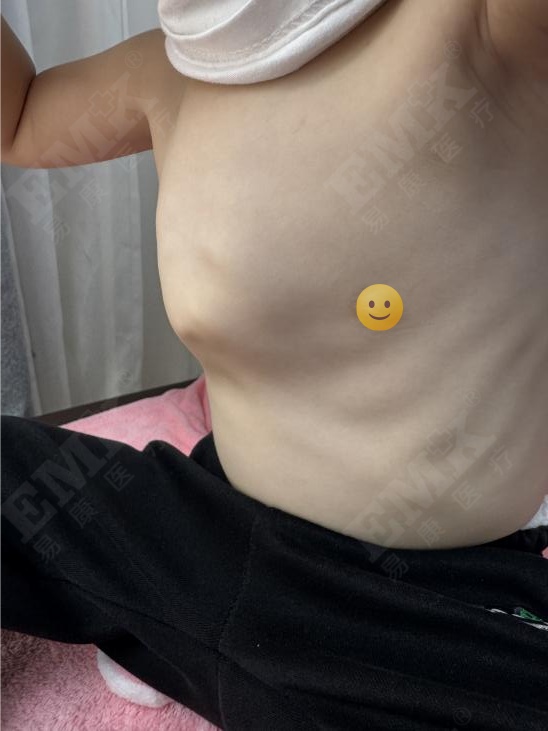
Understanding the causes is the first step toward effective intervention. Clinical evidence points to three primary factors:
This is the leading cause of pectus carinatum. Approximately 20–25% of affected children have a family history of chest wall deformities. During fetal development or early infancy, unbalanced growth of the sternum, ribs, and spine can occur. For example, if the ribs grow too rapidly, they push the sternum forward, creating the characteristic protrusion. Additionally, underdevelopment of the diaphragm (the muscle separating the chest and abdomen) may fail to provide adequate support, allowing the lower sternum to displace forward.
Rickets is the most common acquired cause of pectus carinatum. Vitamin D deficiency during infancy disrupts calcium and phosphorus metabolism, leading to poor bone mineralization and softening of the bones ("nutritional rickets"). As the child breathes, the softened rib cage deforms under mechanical stress, resulting in a protruding sternum. Although severe rickets has become less common due to improved nutrition, mild vitamin D deficiency remains a concern and should not be overlooked.
In a smaller number of cases, pectus carinatum develops as a secondary consequence of other thoracic conditions:
Congenital heart disease: An enlarged heart can press against the chest wall, causing deformity.
Chronic respiratory infections: Long‑term respiratory problems can weaken respiratory muscles and alter diaphragmatic movement, gradually pulling the chest wall outward.
Post‑surgical changes: Certain heart or chest surgeries may alter chest wall mechanics, leading to sternal elevation during healing.
Many parents mistakenly believe pectus carinatum is "just a cosmetic issue" that children will outgrow. This is not true. Pectus carinatum does not resolve on its own and can lead to both physical and psychological consequences.
Cardiopulmonary Compression: In moderate to severe cases, the forward‑protruding sternum increases the front‑to‑back diameter of the chest but actually reduces total thoracic volume, compressing the heart and lungs. While mild cases are often asymptomatic, children with significant deformity may experience shortness of breath, fatigue, and reduced exercise tolerance due to restricted lung expansion.
Increased Susceptibility to Respiratory Infections: Impaired lung movement and poor airway clearance make it harder to expel secretions. Affected children are more prone to recurrent upper respiratory infections and asthma, and they may tire more easily than their peers.
Low Self‑Esteem and Social Withdrawal: As children grow, especially during school age and adolescence, body image becomes increasingly important. A visibly different chest can cause embarrassment and shame. Children may avoid activities that expose their chest—such as swimming, sports, or even changing for gym class—leading to social isolation and loss of confidence.
Postural Compensation: To hide the protrusion, children often adopt a slouched or hunched posture. Over time, this can become habitual, leading to poor posture, back pain, and even secondary spinal curvature (scoliosis).
If you notice that your child's breastbone sticks out, do not wait and see, and do not rely solely on calcium supplements. Seek evaluation by a pediatrician or thoracic surgeon.
Treatment options fall into two main categories:
Conservative Treatment (Brace Therapy): For younger children with flexible chest walls and mild to moderate deformity, the first‑line approach is non‑surgical bracing. A custom‑fitted Pectus Carinatum Brace applies gentle, continuous external pressure over time, guiding the growing cartilage and bone to remodel into a normal position. This is the mainstream non‑surgical option, but success depends on consistent daily wear and good compliance.
Surgical Treatment: For adolescents with severe, rigid deformities that do not respond to bracing—or when cardiopulmonary function is compromised—minimally invasive surgery (such as the reverse Nuss procedure) may be considered.
Correcting pectus carinatum is much like orthodontic treatment for teeth: timing is everything. Generally, the earlier intervention begins, the better the results and the shorter the treatment duration.
If you notice an abnormal forward protrusion of your child's chest, seek professional guidance promptly. Choosing the right intervention at the right time can protect both your child's physical health and emotional well‑being.
Disclaimer: This article is for educational purposes only and does not constitute medical advice. If you are concerned about your child's chest development, please consult a qualified healthcare professional.
Contact: KAM
Phone: +86 1365 2921 391
Tel: +86 1365 2921 391
Email: 1752119111@qq.com
Add: Orthosis Customization Center, 6th Floor, Rehabilitation Building, Guangdong Maternal and Child Health Hospital
We chat