1752119111@qq.com
+86 1365 2921 391
August 2, 2025 – Guangzhou, China
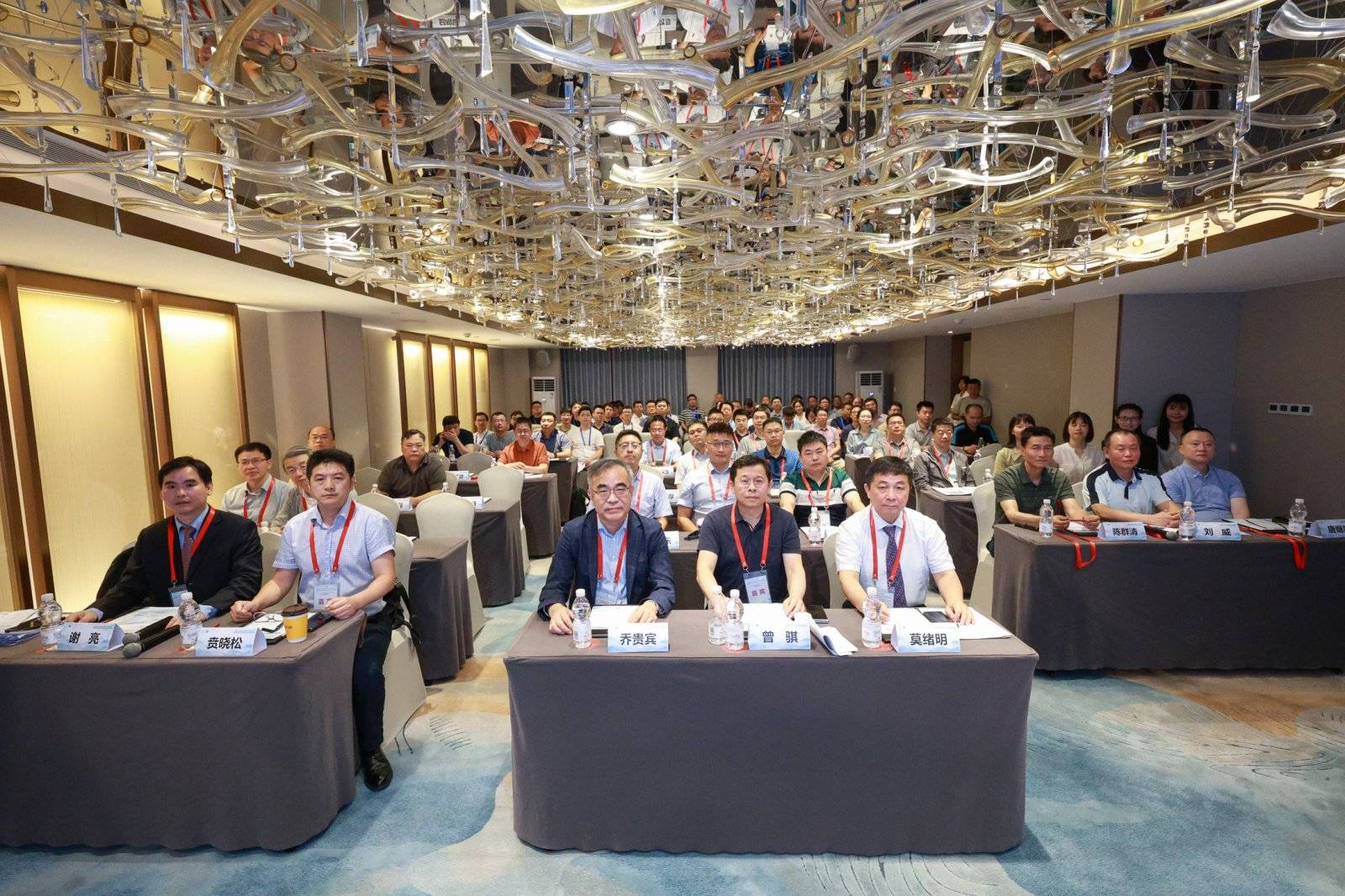
The "2025 Seventh Guangdong Thoracic Surgeons Association – Advances in Pectus Excavatum Surgical Treatment and Standardized Diagnosis & Treatment Symposium," hosted by the Department of Thoracic Surgery of Guangdong Provincial People's Hospital, was successfully held in Guangzhou. More than 100 thoracic surgery experts from across the country gathered to exchange in-depth insights on standardized diagnostic and treatment pathways for Pectus Excavatum. The conference aimed to continuously optimize treatment concepts and techniques, providing patients with more scientific, safer, and more systematic therapeutic solutions.
During the conference, the NUSS procedure became a key focus of discussion among experts. Recognized for its minimal trauma, rapid recovery, and significant corrective effects, it is now internationally acknowledged as one of the preferred surgical methods for pectus excavatum. The core technique involves placing a custom-curved steel bar behind the sternum through small incisions on both sides of the chest wall—without the need for bone resection or extensive muscle separation. This internally elevates the depressed sternum, achieving immediate chest contour improvement and greatly enhancing patient quality of life, earning widespread recognition from patients and their families.
Renowned national experts, including Professor Zeng Qi from Beijing Children's Hospital and Professor Mo Xuming from Children's Hospital of Nanjing Medical University, delivered special lectures. They engaged in in-depth discussions on topics such as intraoperative complication management, optimal timing for treating complex pediatric chest wall deformities, and minimally invasive treatment for Pectus Carinatum.
Experts unanimously agreed that Pectus Excavatum Treatment should not follow a "one-size-fits-all" approach but should be comprehensively evaluated based on patient age and condition:
Under 5 years old: Surgery is generally not recommended.
5–8 years old: Decisions are made on a case-by-case basis.
8–15 years old: A comprehensive assessment incorporating physical development, psychological status, and deformity severity is required before deciding on surgery.
Non-Surgical Innovation: EMK's Smart Vacuum Bell Draws Attention
As the conference drew to a close, experts engaged in discussions on non-surgical treatments. For young children or patients with mild to moderate chest wall deformities, conservative treatment is prioritized. For mild to moderate cases in children whose skeletons are still developing, non-surgical options such as the Pectus Excavatum Vacuum Bell can be used for correction.
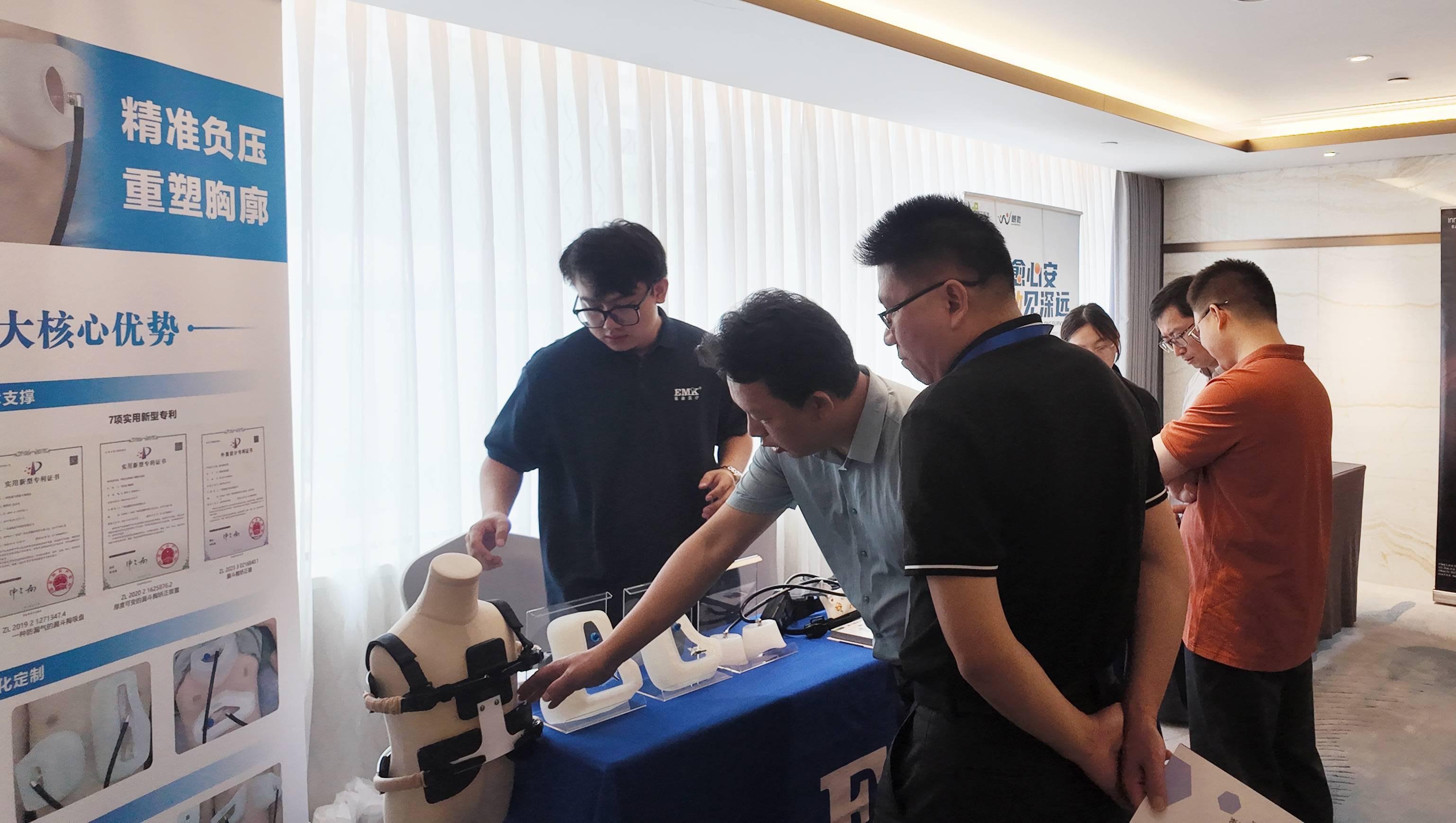
As a leading pioneer in non-surgical correction solutions for chest wall deformities in China, Guangzhou Yikang Medical Technology Co., Ltd. (EMK) showcased its independently developed new-generation smart constant-pressure vacuum bell, garnering significant attention from attending experts and scholars.
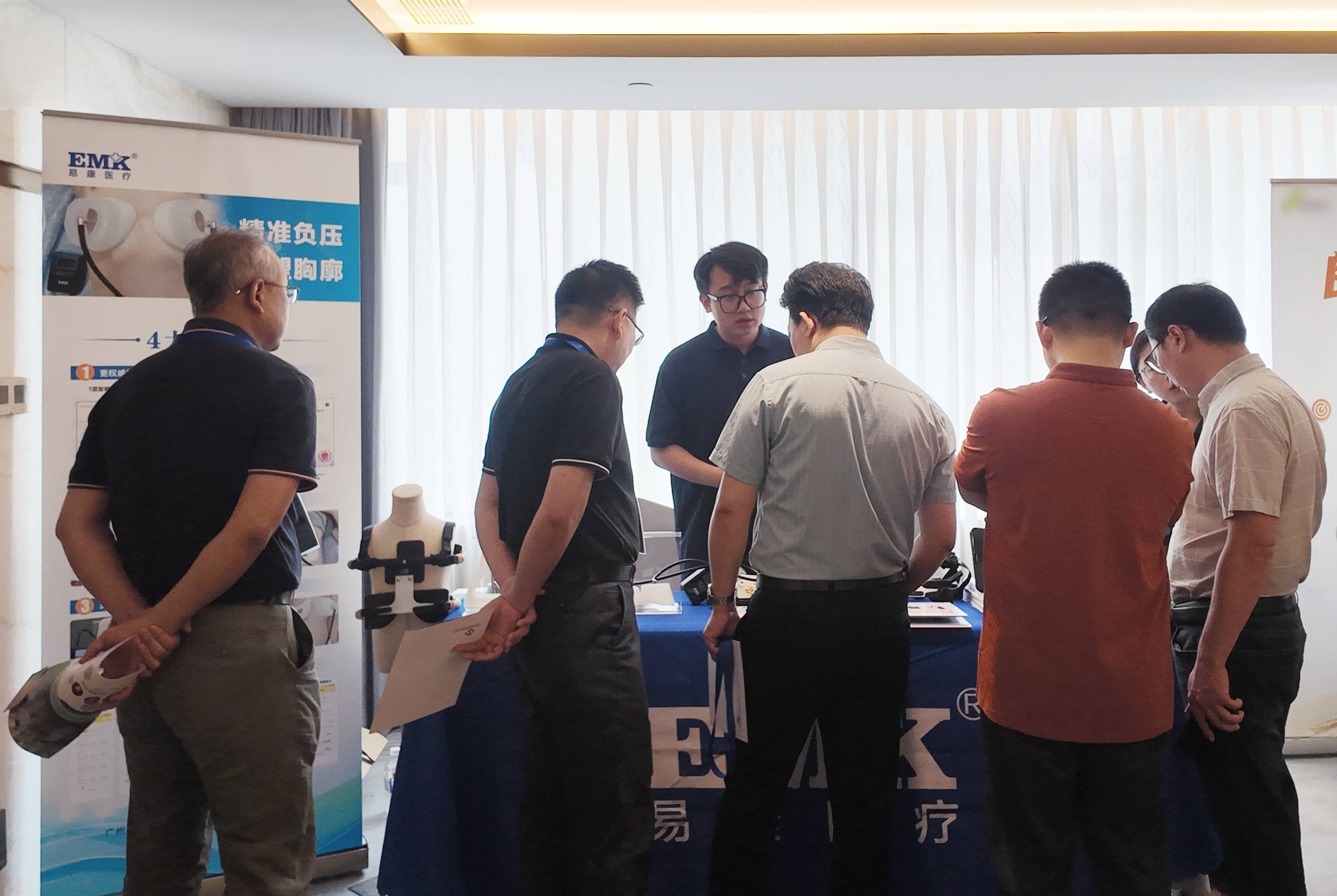
EMK's innovative system features personalized customization combined with a smart constant-pressure device that precisely regulates pressure and automatically compensates for air leakage, ensuring stable therapeutic outcomes. Physicians can remotely monitor patients' daily usage duration and pressure levels via a WeChat Mini Program.
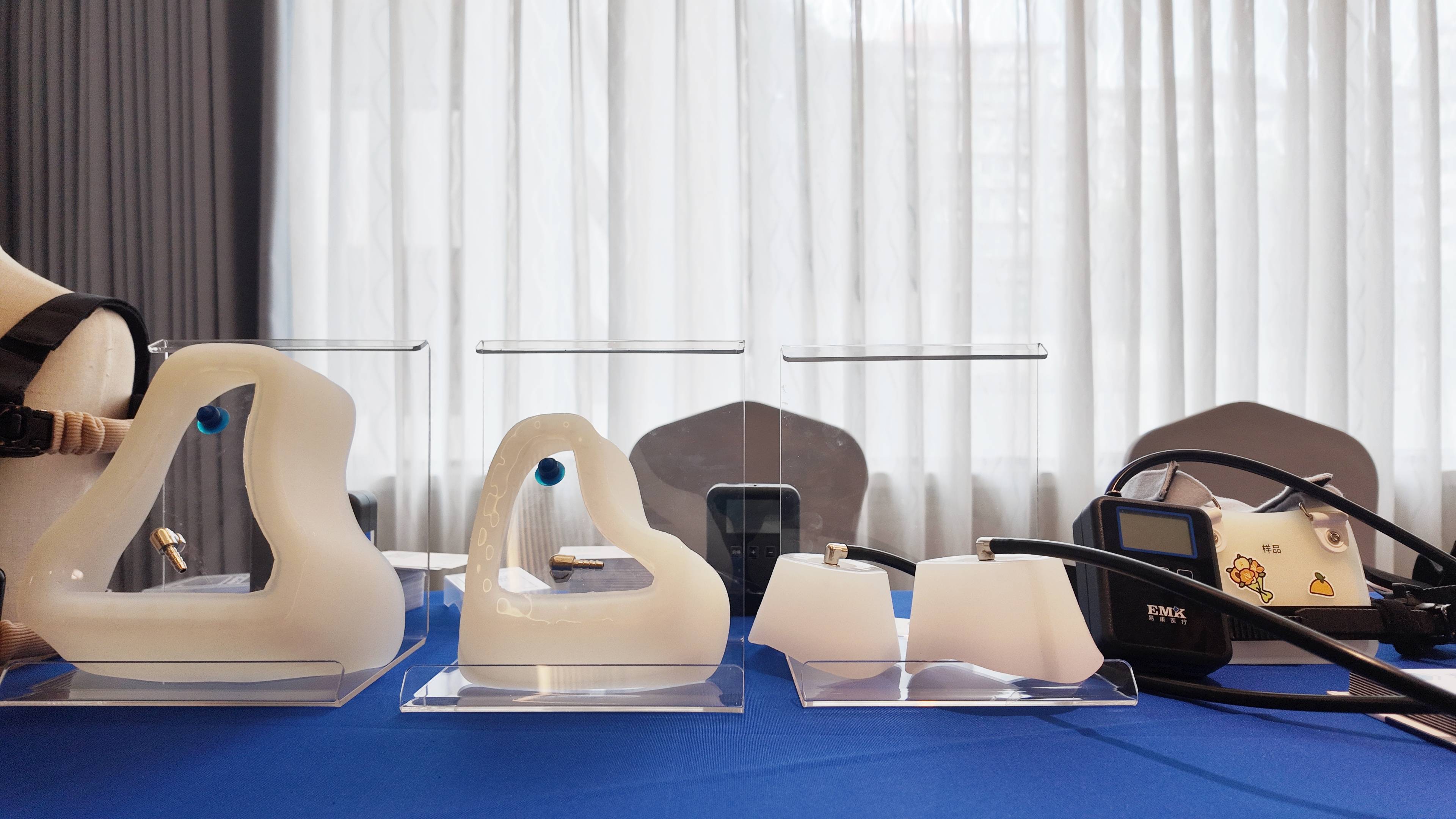
Key Technological Highlights:
| Feature | Description |
|---|---|
| 1. Precision 3D Modeling | Reconstructs the patient's chest model using 3D scan or CT data; customizes the vacuum bell based on depression morphology, significantly improving treatment efficiency and fit stability. |
| 2. Smart Constant Pressure Control | Built-in high-sensitivity pressure monitoring module automatically detects suction status and rapidly compensates for pressure fluctuations caused by air leakage—maintaining stable therapeutic pressure and minimizing efficacy fluctuations. |
| 3. Smart Pressure Ramp Algorithm | Segmented pressure control with differentiated ramp-up rates across pressure ranges achieves gradual negative pressure increase, effectively reducing initial discomfort and improving treatment compliance—ideal for children and sensitive patients. |
| 4. Personalized Pressure Protection | Maximum treatment pressure can be set according to patient age, body type, and chest structure, preventing over-pressurization risks and ensuring dynamic balance between efficacy and safety. |
| 5. Smart Data Storage & Bluetooth Sync | Supports real-time data upload via Bluetooth; automatically stores data locally when offline and seamlessly synchronizes upon reconnection—ensuring data continuity and integrity for long-term tracking and evaluation. |
| 6. Remote Monitoring via WeChat | Parents can track their child's usage duration, pressure levels, and treatment trends in real time through a WeChat Mini Program. Data can be shared with physicians or other family members, enabling remote treatment adjustments and collaborative care. |
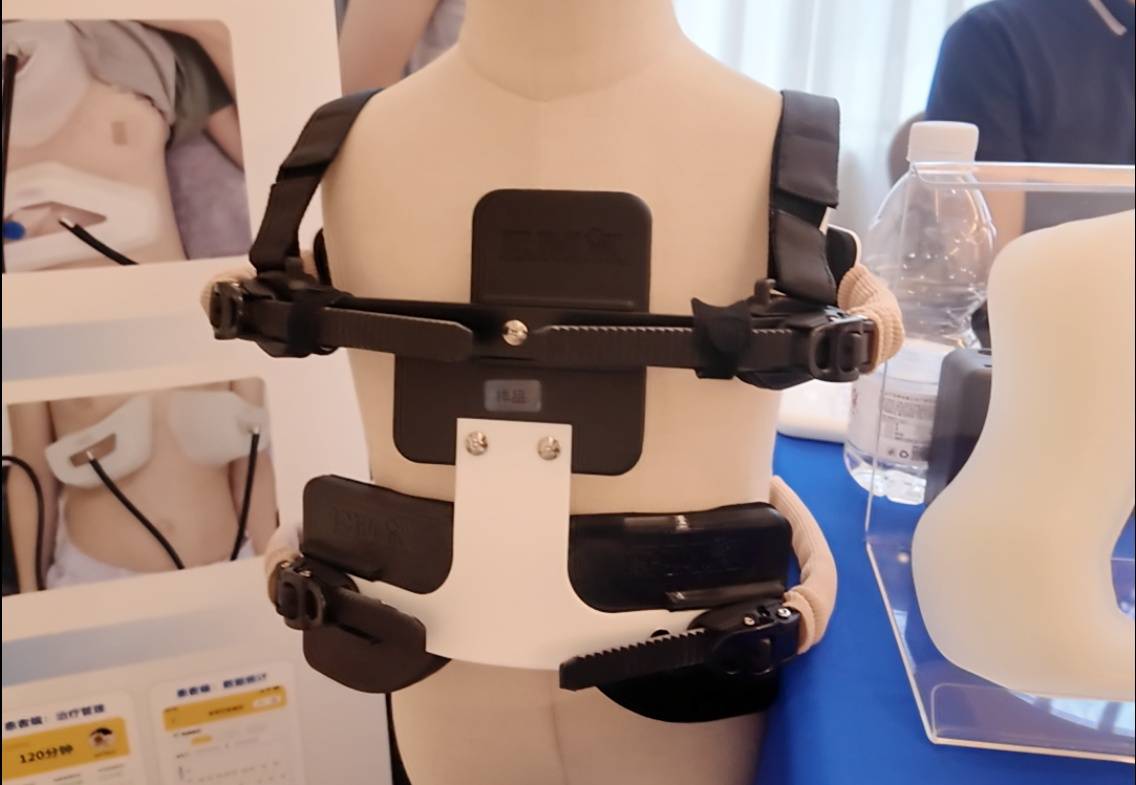
In addition to the smart vacuum bell for pectus excavatum, EMK also showcased its integrated corrector for pectus carinatum and rib flaring. Based on the patient's 3D modeling data, this custom device applies precise and rationally distributed corrective forces simultaneously to the protruding sternum and laterally flared ribs, achieving comprehensive intervention and协同 correction. Its advantages include:
Enhanced treatment efficiency
Improved wearing comfort and compliance
Becoming a key conservative treatment option for patients with mild to moderate chest wall deformities
Contact: KAM
Phone: +86 1365 2921 391
Tel: +86 1365 2921 391
Email: 1752119111@qq.com
Add: Orthosis Customization Center, 6th Floor, Rehabilitation Building, Guangdong Maternal and Child Health Hospital
We chat