1752119111@qq.com
+86 1365 2921 391
From August 26 to 29, 2026, the 21st Annual Academic Conference of the Pediatric Surgery Branch of the Chinese Medical Association, together with the 15th Academic Symposium for Young and Middle-aged Pediatric Surgeons, was held in Shanghai, China.
Under the theme “Cross-disciplinary Integration and Innovation-driven Development,” the conference brought together pediatric surgeons and other healthcare professionals from across China to exchange insights on clinical practice, developments in pediatric surgery, and the application of emerging technologies.
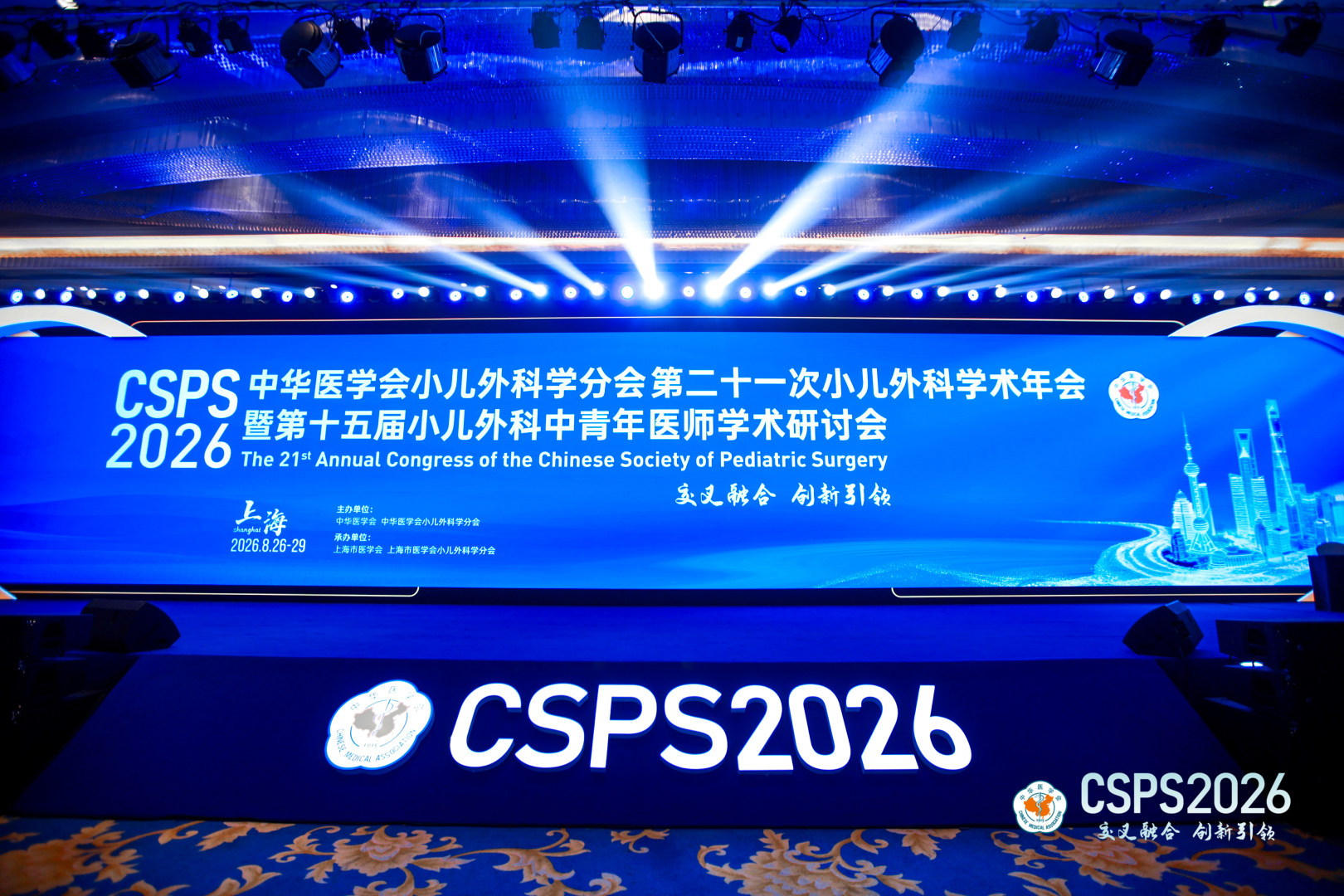
At the conference, Guangzhou EMK Medical Technology Co., Ltd. (EMK Medical) engaged with participating healthcare professionals on non-surgical management and digital applications for pediatric chest wall deformities, including Pectus Excavatum and Pectus Carinatum. EMK Medical also showcased related products, including its vacuum bell systems for Pectus Excavatum and braces for Pectus Carinatum.
For children requiring long-term home-based management of pectus excavatum or pectus carinatum, maintaining a continuous record of device use outside the hospital remains a practical consideration in digital follow-up. When a device is temporarily disconnected from a smartphone, whether usage data can still be retained and subsequently synchronized after the connection is restored can affect the continuity of long-term records.

In addition to recording how long a device is used, continuous data can provide further insight into pressure changes throughout the wearing process.
For example, consider a patient scheduled to wear a Pectus Carinatum Brace for approximately eight hours overnight. The caregiver’s records may indicate that the patient completed the planned overnight wear time. However, the continuous pressure curve may show that pressure fell below the system’s preset effective-use threshold during certain periods.
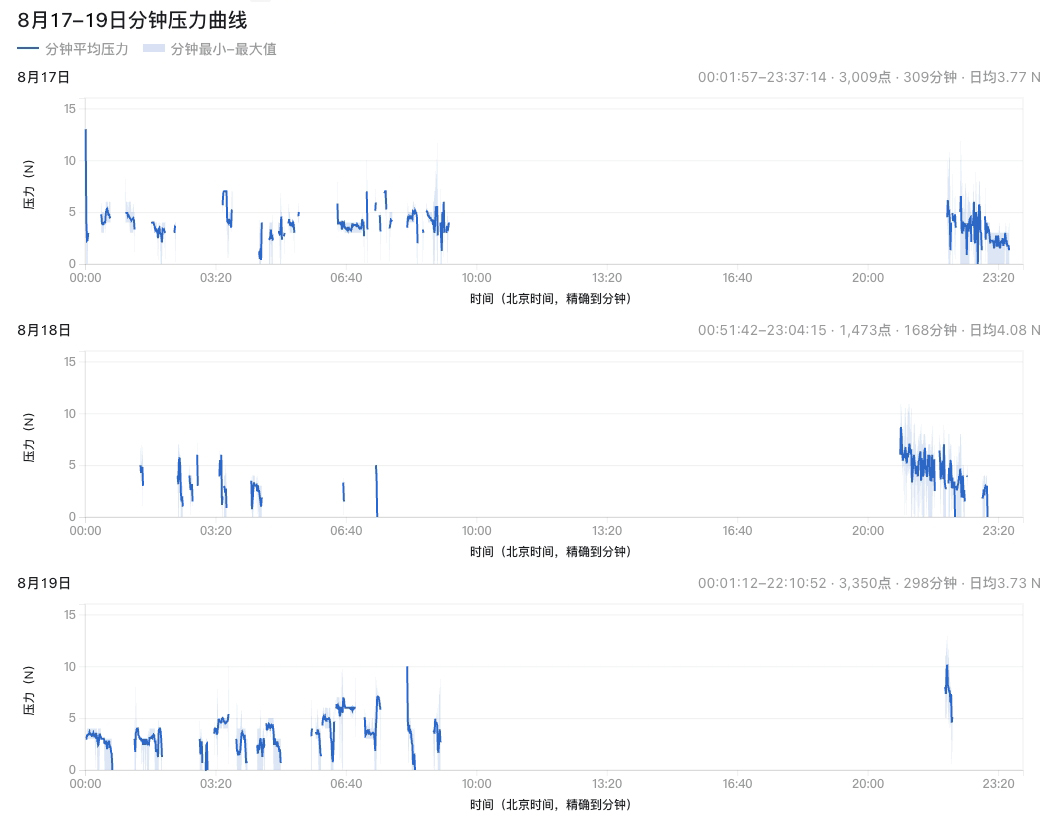
This illustrates that during long-term home-based management, total wear time and effective correction time are not necessarily the same.
In conventional follow-up, physicians or healthcare service providers often rely on feedback from patients and caregivers to understand device use, such as how many hours the child wears the device each day or whether the child consistently wears it at night. While this information provides a basic reference, it may not fully capture pressure changes occurring over several hours of use.
Continuous data can provide additional information about this process. Caregivers can report approximately how long a child wore the device, while device-generated data can provide further information about pressure status during that period, whether interruptions occurred, and how long the device remained within the effective range.
Moving from a single measure of wear duration toward continuous process data may therefore provide additional information for the long-term home management of pediatric chest wall deformities.
EMK’s offline data recording and automatic synchronization function is designed to reduce gaps in usage records caused by temporary device disconnection, providing more continuous data for subsequent review and follow-up of children with pectus excavatum or pectus carinatum.
When the device is not connected to a smartphone, it can continue to store usage data, including wear time and pressure information.
Once the connection is restored, data recorded during the offline period can be automatically synchronized with the management platform.
Long-term records can be reviewed and traced over time, providing a data foundation for remote follow-up and ongoing management.
This means that device data does not rely entirely on maintaining a continuous smartphone connection. Usage information generated during home-based treatment can first be retained on the device and then synchronized after connectivity is restored.

During discussions at the conference, participating experts recognized the potential value of maintaining continuous records of home-based device use. Complete and continuous home-use records can help provide a clearer understanding of actual device usage and may offer additional support for more detailed follow-up and management.
It should be noted that device-generated data is intended primarily for recording usage and supporting management. It does not replace clinical judgment. The management of each child should continue to be based on a comprehensive assessment that considers the individual clinical condition, professional evaluation, follow-up examinations, and other relevant factors.

Guangzhou EMK Medical Technology Co., Ltd. has long focused on the research, development, and application of products related to pediatric chest wall deformities. Its current product portfolio includes vacuum bell systems for pectus excavatum and braces for pectus carinatum, while the company continues to explore applications in areas such as 3D personalized customization, device-based data recording, and digital management.
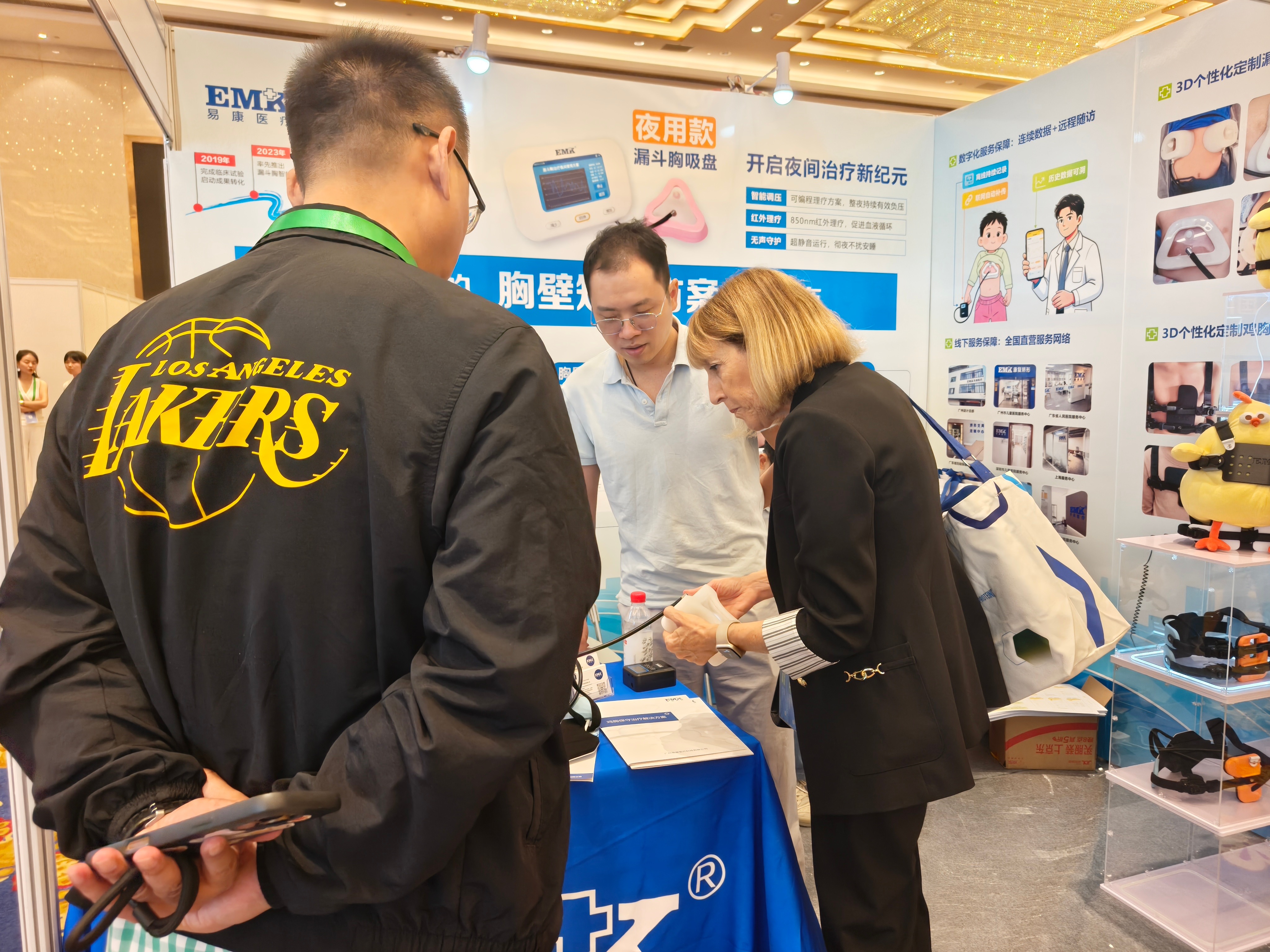
Alongside product development and digital applications, EMK Medical continues to expand its service network. The company currently operates 10 directly managed service centers in cities including Beijing, Shanghai, Guangzhou, Shenzhen, Xiamen, and Wuhan, providing consultation, assessment, and service support to families in these cities and surrounding areas.
Looking ahead, EMK Medical will continue to focus on the needs associated with pediatric chest wall deformities, including pectus excavatum and pectus carinatum, while advancing product development, exploring digital applications, and further developing its service system.
Contact: KAM
Phone: +86 1365 2921 391
Tel: +86 1365 2921 391
Email: 1752119111@qq.com
Add: Orthosis Customization Center, 6th Floor, Rehabilitation Building, Guangdong Maternal and Child Health Hospital
We chat